
Causes of migraine in females are too many, which may result from hormonal fluctuation, genetics, psychological stress, or lifestyle and environmental triggers.
Usually, women are 3 times more affected by migraine than men. We can control migraine by using migraine medications, taking steps to avoid causes of migraine in females, or using alternative remedies for migraines.
In this article, we will focus on the causes of migraine in females, symptoms, treatment, when we should consult a doctor, when we need emergency support, and complications.

What is a migraine?
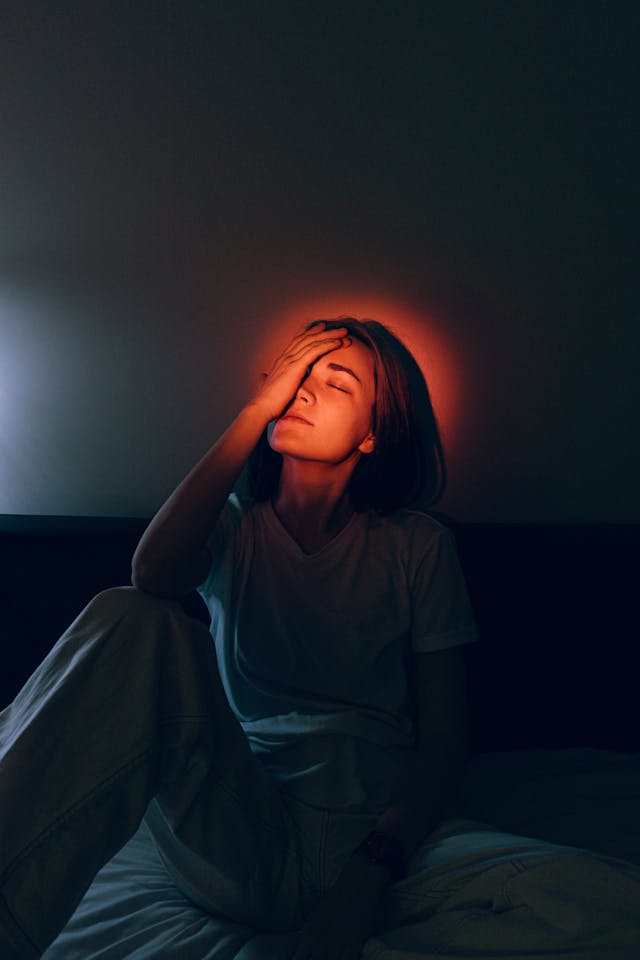
Migraines are headaches that can cause intense throbbing or pulsing pain, usually on one side of the head. The most common symptoms of migraine are nausea, vomiting, and extreme sensitivity to light and sound.
Migraine attacks can last for hours to days, and the pain can be mild, moderate, or severe, which is so bad that it interferes with your daily activities.
Causes of migraine in females
From puberty to menopause, women are 3 times more likely to suffer from migraines than men due to the monthly cycling of hormones, which researchers believe makes the brain more susceptible to triggers.
The most important causes of migraine in females are:
Hormonal fluctuation
One of the important causes of migraine in females is the fluctuation of estrogen. Drops in estrogen levels, which occur right before a menstrual period or around menopause, can trigger menstrual migraines, which are often more severe than others.
These fluctuations also occur during pregnancy and can be caused by hormonal contraceptives.
Genetics
If there is a family history of migraines, it significantly increases the risk of experiencing them.
Psychological stress
Anxiety, stress, and even the relaxation phase after a high-stress event are common causes of migraine in females.
Lifestyle and environmental triggers
Some daily lifestyle and environmental factors are common causes of migraine in females, including:
Sleep disturbances
Too much or too little sleep.
Dietary factors
Skipping meals, fasting, or consuming alcohol(especially red wine), caffeine, sweetener aspartame, and foods with preservatives(MSG, nitrates), or aged cheeses.
medicines
Oral contraceptives and vasodilators, such as nitroglycerin, are common causes of migraine in females.
Sensory stimuli
Strong odors(perfumes), bright lights, or loud sounds.
Environmental changes
Sudden changes in weather or barometric pressure.

Symptoms of migraine
A migraine can progress through four stages that have different symptoms, which are prodrome, aura, attack, and postdrome. Not everyone who has migraine goes through all stages.
Prodrome
It starts one or two days before migraine, you might notice some changes that warn of an upcoming migraine, including:
- Constipation
- Mood changes, from depression to elation
- Food craving
- Neck stiffness
- Increased urination
- Frequent yawning
Aura
It might occur before or during migraines for some people. Auras mean temporary symptoms in the nervous system.
They are visual but can also include other disturbances. Symptoms usually begin gradually and build up over several minutes, up to 60 minutes. Migraine aura includes:
- Visual changes, such as seeing shapes, bright spots, or flashes of light.
- Vision loss.
- A feeling of pins and needles in an arm or leg.
- Weakness or numbness in the face or one side of the body.
- Trouble speaking.
Attack
A migraine usually lasts 4 to 72 hours if left untreated. Migraines vary from person to person; they might occur rarely or several times a month. During a migraine, you might have:
- Pain that’s usually on one side of your head, although it can occur on both sides.
- Intense throbbing pain or a pulsing feeling.
- Sensitivity to light, sound, smell, and touch.
- Nausea and vomiting.
Postdrome
After a migraine attack, you might feel drained, confused, and tired for up to a day. Some people report feeling elated. Sudden head movement causes pain to happen again.
When to see a doctor?
Migraines are often not diagnosed. You have to see a healthcare provider if you regularly have symptoms of migraine. Keep a record of your attacks and how you treat them.
If a female tries to focus on the causes of migraine in females. Then consult a doctor to discuss your headaches. If you have a history of headaches, you should consult a doctor if the pattern changes or your headaches suddenly feel different.

Treatment of migraine
There isn’t a cure for migraine, but your doctor can help you manage migraine symptoms, decrease the attack intensity, and help you take steps to avoid the causes of migraine in females through the following:
Taking medications
A healthcare professional might recommend taking medications to treat migraines. We have 2 types of medications, including:
Preventive medication for episodic migraine
They are used for prophylaxis and help to decrease the incidence of episodes. You can take these medications as directed, usually daily, including:
- Beta-blocker (metoprolol, propranolol).
- Anti-convulsant drugs (valproate, topiramate).
- Anti-depressant drugs (amitriptyline, venlafaxine).
- Ca- channel blocker (verapamil).
- Monoclonal antibodies (erenumab,galcanezumab).
Treatment medications for the attack
These are used to stop or reduce migraine symptoms like pain, nausea, sensitivity, and more. You can take these medications at the first sign of a migraine, including:
For a mild attack
- Use acetaminophen (paracetamol) or NSAIDS(ibuprofen, naproxen).
For a moderate to severe attack
- Use triptans (sumatriptan, zolmitriptan) or ergots(dihydroergotamine).
- Antiemetic medications (metoclopramide).
These medications are available as subcutaneous, intranasal, or intravenous. You and your healthcare provider will discuss the specific medication, combination of medications, and formulations for the best management of your symptoms.
Treatment and prophylaxis for pregnant women
Talk to a healthcare provider if you are pregnant or plan to be pregnant and experience migraines. Your provider might suggest avoiding medications for migraines, as some medications can negatively affect the fetus’s development.
Your provider can recommend alternative treatment and prophylaxis options like:
For treatment
Use acetaminophen (paracetamol), NSAIDS (ibuprofen), or opioids.
For prophylaxis
Use only a Ca-channel blocker (verapamil), beta-blocker (propranolol), or antidepressant (venlafaxine).
Avoiding migraine triggers
Causes of migraine in females are too many; once you identify a trigger, you can take steps to avoid it. This isn’t possible, but awareness of your triggers is helpful to identify them and treat a migraine when it starts.
Using alternative migraine remedies
It is useful to use alternative therapies that help you manage migraines. You should talk to your healthcare provider before starting any alternative therapies for migraines. These include:
- Taking vitamins like riboflavin(vitamin B2), minerals like magnesium, or herbs like feverfew, or co-enzyme Q10.
- Practicing relaxation techniques like yoga.
- Use Botulinum toxin, type A injection(Botox), which is FDA approved, as an effective preventative treatment for adults with chronic migraine.
Complications of migraine
Some complications of migraine may be common or serious.
Migraine common complications include
- Chronic migraine
It occurs when episodic migraines are chronic, with 15 or more headache days per month.
- Status migrainosus
It is a severe, chronic migraine attack that continues for more than 72 hours.
- Medication overuse headaches
Known as rebound headaches, these are caused by overusing pain relief medications for more than 10-15 days/month, resulting in frequent headaches.
- Persistent aura without infarction
If an aura lasts more than 1 hour, it requires medical attention.
Serious, rare complications include
- Stroke (migrainous infarction).
- Seizures (migralepsy).
- Mental health issues like anxiety and depression.
- Other issues include vertigo, chronic nausea/vomiting, and white matter brain lesions.
Certainly, you need emergency care if you have a thunderclap headache (the fastest and most severe headache of your life), an aura continues for more than 1 hour, or if you have symptoms that suggest a stroke, like numbness, weakness, or speech issues.
Summary:
Migraines vary from one person to another. They’re temporary but can come back frequently over time. There’s no cure, but a healthcare provider can help you manage them, so they go away more quickly and become less intense.
It may take some time to find the treatment option that works best for you. Be sure to inform the healthcare provider if your symptoms improve or worsen.
Also, once you identify the causes of migraine in females, you can take steps to avoid them and better control your migraines.


You must be logged in to post a comment.