
Knee pain can be a debilitating obstacle, limiting mobility and diminishing quality of life. While medical interventions are vital, a growing body of evidence supports the power of natural treatments for knee pain.
This article examines effective, non-drug strategies to alleviate knee pain, addressing its underlying causes.

Causes of knee pain
Understanding the causes of knee pain is crucial for finding the right natural treatments for knee pain.
Causes
Injuries
Torn ligaments or cartilage from sudden twists.which induces acute, sudden pain.
Overuse
Repetitive stress or excess body weight.
Arthritis
Osteoarthritis, Rheumatoid Arthritis, or Gout.
Other
Weak muscles or natural aging.
When to See a Doctor
If your pain is severe, results from a sudden injury, is accompanied by a popping noise, or causes significant instability, consult a healthcare professional immediately.
Natural treatments for acute knee pain
The R.I.C.E. Protocol
The First Line of Defense
For acute pain or flare-ups, the R.I.C.E. method is a cornerstone of natural treatments for knee pain.
Rest
Avoid activities that aggravate the pain.
Ice
Apply an ice pack to the knee for 15-20 minutes several times a day to reduce swelling and numb the pain.
Compression
Use an elastic wrap to compress the knee gently.
Elevation
Keep your leg raised above heart level as much as you can.

Natural treatments for chronic knee pain
Exercise
Why Exercise is one of the Powerful Natural Treatments for knee pain for Knee Pain
1. Strengthens Your "Natural Knee Brace."
2. Lubricates the Joint: Movement helps circulate synovial fluid
3. Improves Flexibility and Range of Motion
4. Helps with Weight Management
The Best Types of Exercise for Knee Pain
1. Strengthening Exercises (Build the Support), eg:
- Straight Leg Raises
- Hamstring Curls
- Wall Squats (Small & Gentle)
2. Low-Impact Cardio (Keep Moving Without the Punishment):
- Swimming or Water Aerobics
- Cycling (Stationary or Outdoor)
- Walking
3. Stretching Exercises (Maintain Flexibility):
- Calf Stretches
- Hamstring Stretches
- Quadriceps Stretches
Crucial Rules for Exercising with Knee Pain
A little muscle soreness is normal. Sharp, stabbing, or increasing pain in the joint is a signal to stop.
Weight management
Weight loss powerfully reduces knee pain. For every 1 kg you lose, your knees get 4 kg of pressure relief with each step. This means less wear, less inflammation, which is one of the natural treatments for knee pain.
The Dual Role of Weight in Knee Pain
1. Mechanical Stress (The "Heavy Load")
· Excess weight puts constant physical pressure on the structures of the knee, the cartilage, the meniscus, and the bones.
This can speed up the wear-and-tear on your joints, leading to osteoarthritis.
2. Chemical Stress (The Inflammatory Fire)
Fat actively produces chemicals that cause inflammation, meaning excess weight damages joints both physically and chemically.
The Benefits of Losing Weight
Even a small amount of weight loss can have a major effect:
· Reduces Pain
· Improves Function: Daily activities like walking, climbing stairs, and standing up become easier.
· Slows Disease Progression: By reducing the load on the cartilage.
· Boosts Other Treatments: Exercise becomes easier and more effective

The Anti-Inflammatory Diet
An anti-inflammatory diet is a powerful way to manage knee pain by addressing its root cause: inflammation.
By choosing the right foods, you can fight inflammation and reduce joint stiffness and discomfort, which is one of the natural treatments for knee pain.
What is an Anti-Inflammatory Diet?
It’s a way of eating that focuses on foods known to reduce inflammation in the body while avoiding foods that can trigger or worsen it.
Foods to Eat: Your Anti-Inflammatory Toolkit
1. Fatty Fish:
- Salmon, tuna, mackerel, sardines.
- Why: Rich in omega-3 fatty acids (EPA and DHA), which are powerful inflammation fighters.
2. Colorful Fruits and Vegetables:
- Berries (blueberries, strawberries), oranges, cherries, spinach, kale, broccoli.
- Why: Packed with antioxidants and vitamins that neutralize inflammation.
- Healthy Fats: Olive oil, avocados, nuts, and seeds ( chia seeds).
- Why: These contain monounsaturated fats and omega-3s that reduce inflammation
- Spices and Herbs: turmeric (contains curcumin), ginger, and cinnamon.
- Why: They are especially known for their strong anti-inflammatory properties.
- Whole Grains Like oats, brown rice, and whole-wheat bread.
- Why: High in fiber, which can lower levels of C-reactive protein
Foods to Avoid: Inflammatory Triggers
1. Processed Foods: Fast food, frozen fried meals, and chips.
2. Sugary Foods and Drinks: sodas, candies, pastries.
3. Refined Carbohydrates like white bread, white rice, and pasta made from refined flour.
4. Red and Processed Meats: Beef, sausages, bacon.
Proper Footwear
Your shoes are the foundation of your body. They influence how your feet hit the ground, which affects the alignment of your ankles, knees, hips, and back.
So the right choice of footwear is one of the major natural treatments for knee pain.
The Perfect Shoe for Knee Pain
· Soft & Cushiony to absorb shock.
· Supportive in the arch and heel.
· Stable with a low, wide heel.
· Flexible at the ball of the foot.
· Roomy Enough with a thumb's width of space at the toes.
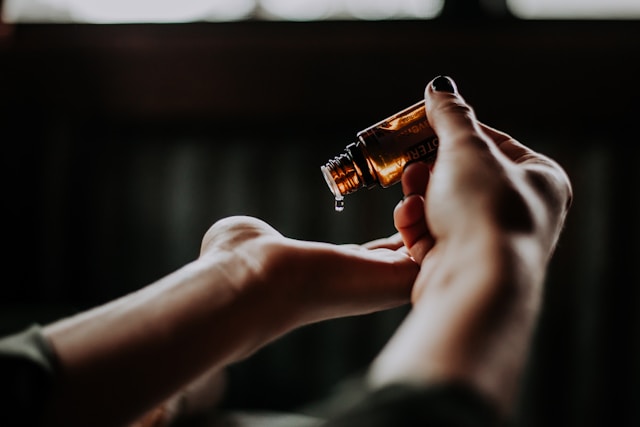
Massage with oil
· Increases blood circulation to promote healing.
· Reduces muscle tension in the surrounding muscles.
· Improves flexibility and range of motion.
· Provides temporary pain relief through relaxation and the therapeutic properties of the oils.
. 5-10 minute massage a few times a week, you can effectively manage stiffness, and it is considered one of the most effective natural treatments for knee pain.
Carrier Oils (Base Oils)
. Warm Coconut Oil
· Olive Oil
· Sesame Oil
Essential Oils to Add (For Enhanced Relief)
· Always dilute essential oils in a carrier oil (e.g., 3-5 drops per tablespoon of carrier oil).
. Peppermint Oil: Gives a cooling sensation.
· Lavender Oil: enhances relaxation
· Eucalyptus Oil: Reduces inflammation and pain.
· Ginger Oil has warming and strong anti-inflammatory effects.
· Frankincense Oil: reduces inflammation and swelling.
Important Safety Tips & When to Avoid Massage
· Do NOT massage directly on a swollen, red, or hot joint. This could be a sign of an acute injury or infection, and massage might make it worse.
· Avoid massaging directly on varicose veins, open wounds, or skin infections.
Heat and Cold Therapy
When to use
· Cold: Use for acute pain and swelling (as in the R.I.C.E. method).
· Heat: Use a warm towel or a heating pad for stiff, aching muscles around the knee. Heat can improve circulation and relax muscles, which is considered one of the natural treatments for knee pain.
Some herbal creams induce the same effect as heat and cold therapy and are considered natural treatments for knee pain:
Heating Creams:
Capsaicin, Ginger, Turmeric, Arnica Chronic pain, stiffness, arthritis Soothing warmth, mild tingling
Cooling Creams:
Menthol, Peppermint, Eucalyptus, Aloe Acute pain, swelling, after exercise Refreshing, cool, numbing
Combination Creams:
Menthol + Capsaicin, Camphor + Mint Mixed pain types, muscle tension Cool first, then warm
Conclusion
Exploring natural treatments for knee pain can empower you to take control of your joint health. By combining these strategies, such as smart exercise, an anti-inflammatory diet, and simple home therapies, you can effectively reduce pain, improve mobility, and enhance your overall quality of life.
Remember, consistency is key, and these remedies work best under a healthcare professional's guidance.
for more details:https://www.healthline.com/health/pain-relief/knee-pain-home-remedies


You must be logged in to post a comment.