
Pimples are small, raised bumps on the skin that form when pores become clogged with oil (sebum), dead skin cells, and sometimes bacteria.
If you're looking for home remedies for pimples, several natural options may help soothe mild breakouts before you consider medical treatment.
Pimples are one of the most common signs of acne, although not every pimple is caused by acne. They can also develop due to folliculitis, ingrown hairs, or skin irritation.
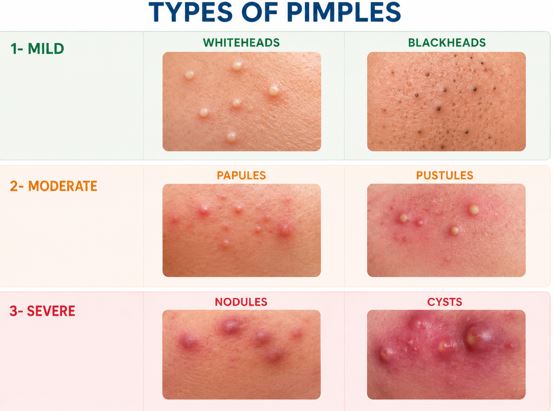
Types of pimples
According to the cause and the severity of the pimple, we can classify them into the following types:
Mild
- Whiteheads: Closed, clogged pores by oil and dead skin that appear white or yellowish at the tip.
- Blackheads: Open clogged pores that contain excess oil and dead skin that turn dark when exposed to air.
Mild pimples are the easiest type of acne to manage and often improve with home remedies for pimples and a consistent skincare routine.
Moderate
- Papules: Small, red, tender bumps that may become inflamed
- Pustules: Red pimples filled with pus. Scratching your pustules can cause scarring.
Home remedies for pimples can reduce the severity of moderate acne when used alongside appropriate OTC medications.
Severe
As they develop deep beneath the skin
- Nodules: appear as larger, deeper, and more painful lumps that may require medical treatment.
- Cysts: These are pimples filled with a thick, yellow or white fluid composed of dead white blood cells, small pieces of tissue, and bacteria (pus). Cysts can cause scars.
Home remedies are not effective for treating severe acne. Nodules and cysts typically require evaluation and treatment by a dermatologist to reduce inflammation and prevent permanent scarring.
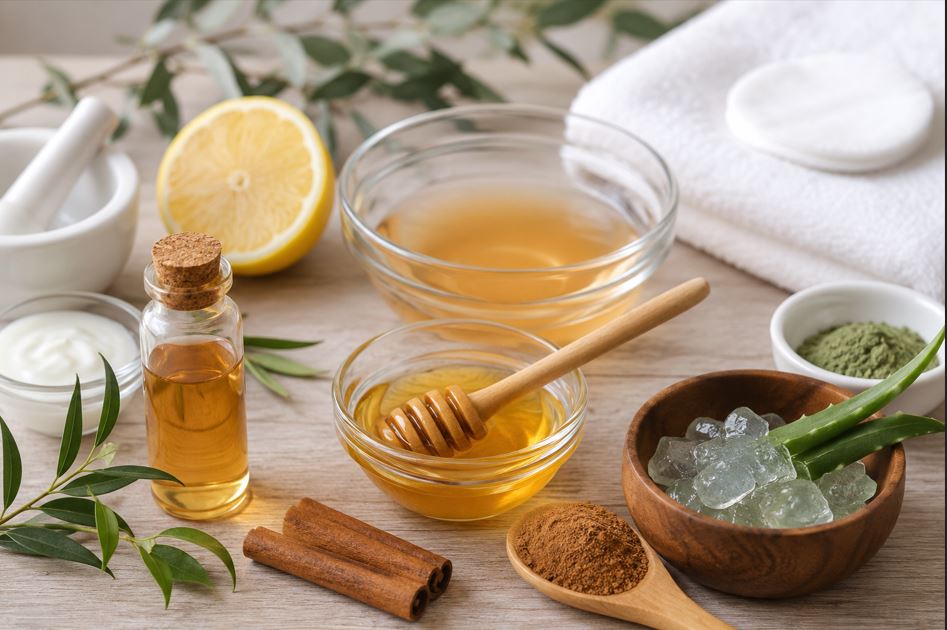
Home remedies for pimples
If your pimples are mild and not a serious acne disease, here are some simple and natural home remedies for pimples
Ice Application
This is considered one of the easiest home remedies for pimples: using ice cubes covered with a piece of cloth, which helps reduce swelling in inflammatory forms of acne. Try this several times a day, and you will notice the difference.
Tea Tree Oil
Tea tree oil has antibacterial and anti-inflammatory properties that help with pimples caused by bacterial infections.
You may notice that what makes this special is that most acne products and cleansers include tea tree oil in their formulas; for this reason, we can consider it one of the easiest home remedies for pimples, in addition to its professional use in cosmetics.
Make sure to dilute the oil to avoid irritation.
Aloe Vera gel
Aloe vera gel is one of the traditional home remedies for pimples for skin care, as it has a cooling effect that may help soothe inflamed pimples due to its natural anti-inflammatory and antibacterial properties
Honey and Cinnamon Paste
Among the most popular home remedies for pimples, a honey-and-cinnamon paste is often used to soothe mild breakouts.
Honey has natural antibacterial and anti-inflammatory properties that may help calm inflamed pimples and support the skin's natural healing process.
Cinnamon also contains antimicrobial and antioxidant compounds that may help reduce acne-causing bacteria, although it can irritate sensitive skin.
To try this home remedy for pimples, mix 1 tablespoon of honey with ½ teaspoon of cinnamon to form a smooth paste.
Apply it to clean skin and leave it on for 10–15 minutes before rinsing with lukewarm water. Use this treatment no more than once or twice a week,
and always perform a patch test beforehand, as cinnamon may cause irritation or an allergic reaction in some people.
Apple Cider
Apple cider vinegar is one of the most commonly discussed home remedies for pimples because it contains acetic acid, which has antimicrobial properties that may help reduce acne-causing bacteria.
It may also provide mild exfoliation and help remove excess oil from the skin. However, scientific evidence supporting its effectiveness for acne is limited, and improper use can irritate the skin.
Dilute apple cider vinegar by mixing 1 part vinegar with 3–4 parts water. Apply the solution to the affected areas with a cotton pad, leave it on for 30–60 seconds, then rinse thoroughly with lukewarm water.
Avoid applying it to sensitive, broken, or irritated skin, as it may cause irritation or even chemical burns.
Always perform a patch test before using apple cider vinegar on your face.
Turmeric (curcumin)
Curcumin has antibacterial and antiseptic effects; in addition, it reduces pimple inflammation and, by its astringent properties, helps drain pus and promote fast healing.
You can use it by adding raw honey or water to form a thick paste, then apply for 10 to 15 minutes, then wash it off.
Read more about: Turmeric Powder for Boils
Where do pimples usually appear
Pimples can develop anywhere on the body where hair follicles and sebaceous (oil) glands are present. They form when hair follicles become clogged with excess sebum, dead skin cells, bacteria, and inflammation.
Face (especially the T-zone, chin, jawline, and around the mouth)
What Causes Pimples?
- Excess oil production
- Hormonal changes
- Comedogenic cosmetics or skincare products
- Touching or picking the face
Symptoms
- Whiteheads and blackheads
- Red, inflamed papules
- Pustules (pus-filled pimples)
- Painful nodules in more severe cases
Home remedies for pimples in this area
- Wash the face twice daily with a mild cleanser to remove excess oil and impurities without irritating the skin.
- Applying an ice cube wrapped in a clean cloth for a few minutes may help reduce redness and swelling in inflamed pimples.
- Pure aloe vera may help soothe irritated skin and reduce redness.
After shaving
Pimples that appear after shaving are often razor bumps (pseudofolliculitis barbae) or folliculitis, rather than true acne.
What Causes Pimples?
- Ingrown hairs
- Irritation from shaving
- Bacterial infection of hair follicles
- Using a dull or contaminated razor
Symptoms
- Small red bumps
- Itching or burning
- Tenderness
- Occasionally pus-filled bumps
Home remedies for this
- Shave in the direction of hair growth: This can reduce irritation and ingrown hair
- Apply a soothing moisturizer: Helps repair the skin barrier after shaving.
Before the menstrual period
Hormonal changes before menstruation commonly trigger acne flare-ups.
What Causes Pimples?
Increased androgen activity stimulates sebaceous glands, leading to excess sebum production.
Common sites
- Chin
- Jawline
- Lower cheeks
Symptoms
- Painful inflammatory pimples
- Increased skin oiliness
- Recurrent breakouts before each menstrual cycle
Keep healthy lifestyle habits with adequate sleep, and avoid irritating or new products.
During periods of stress
Stress does not directly cause acne, but it can worsen existing acne.
What Causes Pimples?
Increased cortisol and other stress hormones may increase sebum production and inflammation.
Symptoms
- More inflamed pimples
- Delayed healing
- Worsening of existing acne
Other common sites
Forehead: Excess oil, sweat, and hair products.
Back and shoulders: Sweat, friction from clothing, and increased sebum production.
Chest: Sweat, heat, and occlusive clothing.
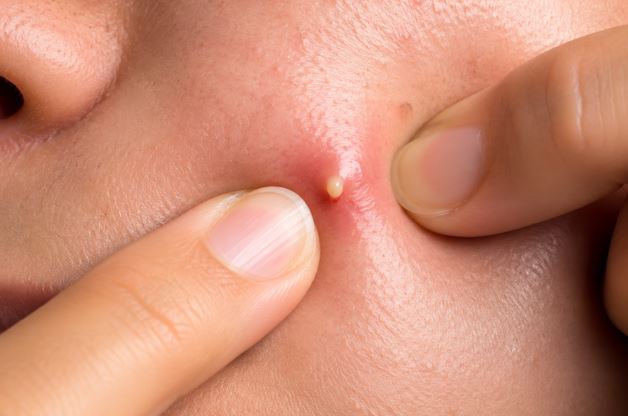
Should you pop them?
So what should you do with pimples? You shouldn’t try popping your pimples, as it may push bacteria, oil, and pus deeper into the skin. This increases inflammation, raises the risk of localized bacterial infection, and frequently causes permanent pitted scars or dark spots.
When to see a doctor
When pimples become widespread, a condition known as acne, you can’t just depend on home remedies for pimples.
You should consider seeing a dermatologist or consulting a pharmacist for the appropriate treatment. Depending on the severity of your acne, especially when:
- Pimples lasting more than 6–8 weeks
- Painful cysts or nodules
- Scarring
- Acne affecting self-esteem
- Acne that doesn't improve with over-the-counter treatments
Recommended medications may include salicylic acid, azelaic acid, or topical retinoids.
To sum up, home remedies for pimples can be helpful and effective for many people when used correctly, especially in mild cases. However, it's important to understand the type of pimple you're dealing with, use the right treatment, and know when it's time to seek professional medical advice.


You must be logged in to post a comment.