
High blood sugar in pregnancy is also known as gestational diabetes: it is diabetes that's first diagnosed during pregnancy.
Eating healthy, balanced meals and staying physically active can usually help manage it well.
However, in some cases, insulin may be needed to control high blood sugar levels. If high blood sugar is not managed, it can lead to health problems for both the mother and the baby.
For most people who have high blood sugar in pregnancy (gestational diabetes), blood sugar levels return to normal after the baby is born.
However, having had gestational diabetes increases the risk of developing type 2 diabetes. That means you may need to be tested for changes in blood sugar more often.

What Is High Blood Sugar in Pregnancy?
During pregnancy, the body goes through many changes, and it is important to maintain stable blood sugar levels for the health of both the mother and the baby.
High blood sugar in pregnancy (GD or GDM) is a type of diabetes that occurs only during pregnancy when blood sugar becomes too high (hyperglycemia).
This happens when hormones from the placenta stop the body from using or making insulin properly. Insulin helps control the amount of glucose in the blood.
If there is too much glucose in the blood, it can cause complications during pregnancy.GD typically appears in the middle of pregnancy, between 24 and 28 weeks. Your healthcare provider will order a blood test to check for high blood sugar in pregnancy.
Causes and Symptoms
What Causes High Blood Sugar in Pregnancy?
It is mainly caused by hormone changes and how the body converts food into energy.
A hormone called insulin helps break down glucose from food and deliver it to the body’s cells. Insulin keeps blood glucose levels within a healthy range.
If insulin doesn’t work as it should or if there is not enough insulin, sugar builds up in the blood and can lead to diabetes.
During pregnancy, hormones from the placenta can interfere with how insulin functions.
This may prevent insulin from properly controlling blood sugar levels, leading to high blood sugar in pregnancy (GD).
Symptoms of High Blood Sugar in Pregnancy
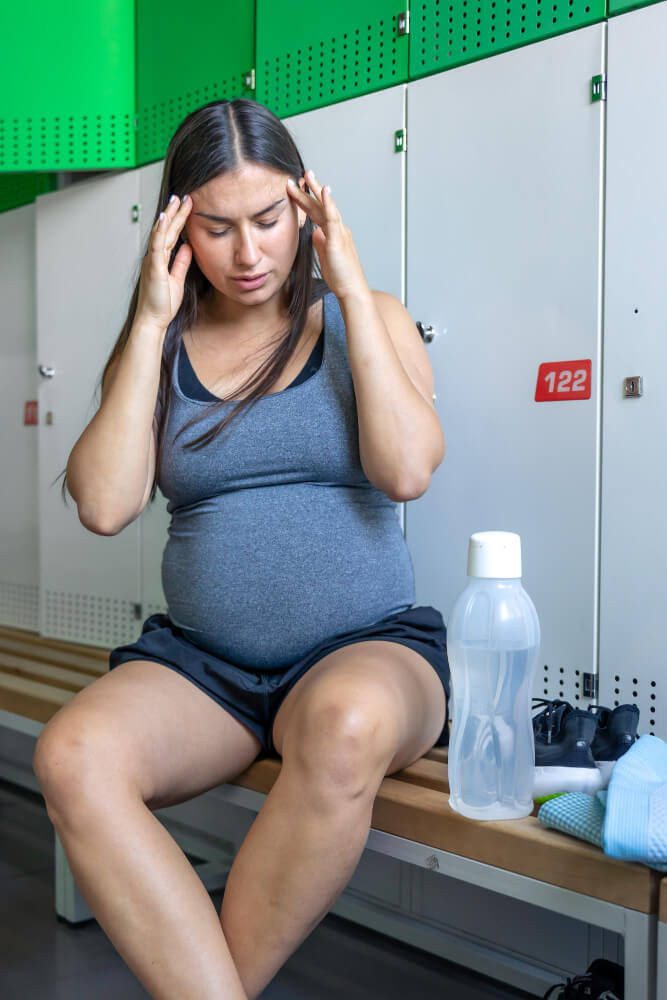
The symptoms are usually mild and may go unnoticed until your pregnancy care provider tests for gestational diabetes.
Some warning signs may include:
- Frequent urination
- Excessive thirst
- Tiredness
- Nausea
Who is at Higher Risk for Developing High blood sugar in pregnancy (Gestational Diabetes)?
Anyone can develop gestational diabetes during pregnancy. However, certain factors can increase your risk, such as:
- Being overweight or obese.
- Not being physically active.
- Being diagnosed as prediabetic.
- Having gestational diabetes in a previous pregnancy.
- Having a hormone condition called polyendocrine metabolic ovarian syndrome(PMOS).
- Having a parent or sibling with diabetes.
- IF the baby weighs more than 9 pounds (4.1 kilograms).
- Certain race or ethnicity.
How Is High Blood Sugar Diagnosed During Pregnancy?
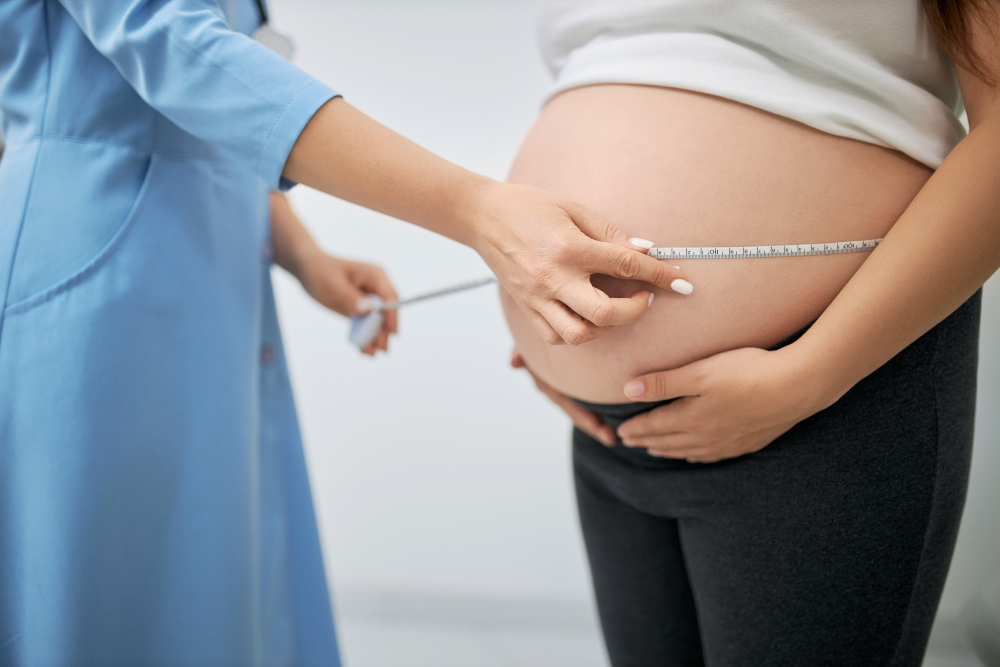
Your healthcare provider tests for gestational diabetes around weeks 24 to 28 of pregnancy. Often, the first test is a “screening test” to identify people who might be at higher risk of gestational diabetes.
If you don’t pass the screening, your provider will order a second, more accurate blood test.
- Glucose challenge test: Referred to as a one-hour glucose tolerance test. You drink a sweet liquid and wait for one hour. After one hour, a blood sample will be drawn from your arm.
If the blood sugar level is too high, your doctor will order a glucose tolerance test.
- Glucose tolerance test: Known as a two-hour or three-hour glucose test. This test is only done if your challenge test results are irregular. You fast (don’t eat for eight hours) before the tolerance test.
A blood sample will be taken before and at 1-, 2-, and/or 3-hour intervals after you drink a sweet liquid. This test can help diagnose gestational diabetes.
Most common complications of high blood sugar in pregnancy
Not keeping blood sugar levels in a healthy range can lead to complications for the mother and the baby.
Complications that may affect you
High blood sugar in pregnancy may raise your risk of:
- High blood pressure and preeclampsia. It increases the risk of high blood pressure. It may cause a serious complication of pregnancy that leads to high blood pressure and other symptoms, called preeclampsia.
- Having a surgical delivery. You're more likely to have a C-section if you have gestational diabetes.
- Future diabetes. If you have gestational diabetes, you're more likely to get it again during a future pregnancy. The risk of getting type 2 diabetes as you get older becomes more likely.
Complications that may affect your baby
Your baby may be at higher risk of:
- Increased birth weight. If the blood sugar level is high, the baby may grow too large. Overweight babies, 9 pounds or more, may get stuck in the birth canal, have birth injuries, or need a C-section delivery.
- Preterm delivery. It may increase the risk of labor and delivery before your pregnancy's expected date. This is called preterm delivery. Or you could need an early delivery because the baby is large.
- Breathing problems. Babies born early may suffer from hard breathing, a condition called respiratory distress syndrome.
- Low blood glucose. Sometimes babies have low blood glucose, called hypoglycemia, shortly after birth. Severe hypoglycemia may cause seizures. It can raise the baby's blood sugar level.
- Overweight and type 2 diabetes later in life. Babies have a higher risk of being overweight and having type 2 diabetes as they grow older.
- Fetal death. If not treated, it could result in Fetal death either before or shortly after birth.

How to Lower High Blood Sugar in Pregnancy
- A Well-balanced diet is important. Eat foods high in fiber and low in fat and calories. Include fruits, vegetables, and whole grains. Eat in appropriate portion sizes.
- Stay active. Being physically active before and during pregnancy can help protect against developing gestational diabetes. Aim for at least 30 minutes of exercise each day.
- Keep an eye on your weight. Gaining weight during pregnancy is healthy. But being overweight can raise your risk of developing gestational diabetes.
When Should You Call Your Doctor?
Watch for the warning signs such as:
-
Consistently high readings of blood sugar
-
Severe thirst
-
Reduced fetal movement
-
Severe headache
-
Vision changes
Final thoughts
Most pregnant women can manage high blood glucose levels during pregnancy with tiny changes to what they eat. A nutritionist or diabetes educator can help you with that.
Still, some pregnant women need insulin treatment to help keep their blood sugar under control. In most cases, well-managed gestational diabetes doesn’t have a major impact on your pregnancy.
However, it is important to take an active role in managing the condition to make sure your pregnancy and your baby are healthy.
Read more about:


You must be logged in to post a comment.