
Insulin resistance in women is a complex condition in which the body doesn't respond properly to insulin, especially in the liver, muscle, and fat cells.
The hormone, which is secreted by the pancreas and is essential for regulating blood sugar levels by moving glucose from the blood to cells, where cells use it for energy. As a result of insulin resistance, glucose continues to build up in the blood and causes a condition called hyperglycemia.
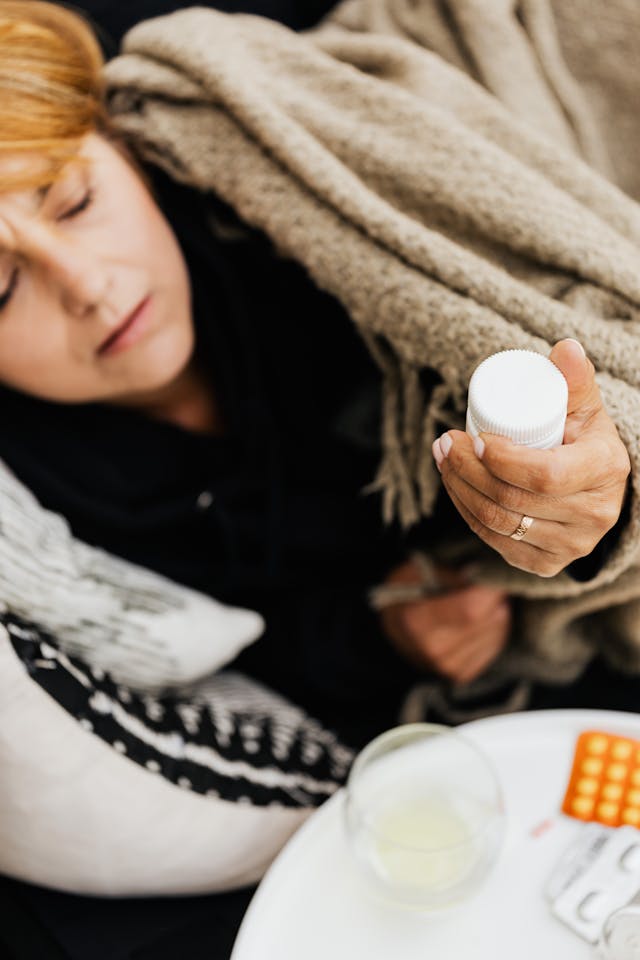
Causes of insulin resistance in women?
The main cause of insulin resistance in women is unknown, but there are identified genes that make us more or less likely to develop insulin resistance, and there are also acquired causes, like
- Obesity (excess body fat)
- Lack of physical activity increases the risk of insulin resistance because exercise builds muscle, which consumes glucose for energy
- Food with high carbohydrates and fats also increases the risk
- Some drugs like steroids, antihypertensive drugs, and HIV medication can cause insulin resistance. and the symptoms will be
-
Darkened skin in some region of your body, such as the armpit or the back and sides of your neck
-
Changes in your eyes that can lead to diabetic-related retinopathy.
- The history of a family that increases susceptibility to this condition.
Symptoms of Insulin Resistance in Women?
Symptoms of insulin resistance in women are related to insulin production from the pancreas.
If you already have insulin resistance, but your pancreas increases production of insulin to keep your blood sugar level in range, in this case no symptoms.
But if your pancreas can’t produce enough insulin to overcome insulin resistance, leading to elevated blood sugar, this can cause symptoms like increased urination, increased hunger, increased thirst, fatigue, Blurred vision, and unexplained weight loss.
Insulin resistance in women often affects reproductive health and appearance. Insulin resistance and polycystic ovary syndrome (PCOS) have a strong relationship.
When insulin levels increase, it stimulates the ovaries to produce male hormones, leading to acne, increased growth of hair, and irregularity in menstrual cycles.
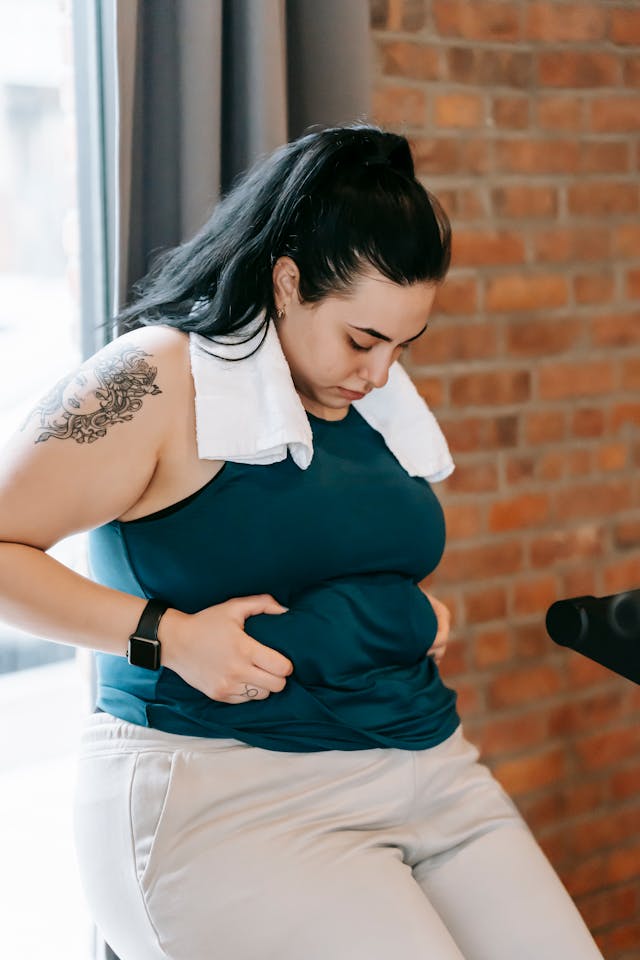
How can we reduce insulin resistance in women?
Some changes in our lives, like eating, sleeping, and walking, can reduce insulin resistance:
- Insulin resistance in women is reduced by eating a balanced diet, for example, lean protein, fewer processed carbohydrates, and vegetables.
- Daily walking for 30 minutes
- Sleep (8 hours at night)
- Reduce your stress because when your body is stressed, it produces cortisol, which raises blood sugar.
- Do strength training to make muscles that use glucose for energy.
How is insulin resistance treated?
Insulin resistance in women who suffer from PCOS can be treated by regulating hormones in women through a specific diet and regular exercise.
genetic factors and age factors can't be treated. For this reason, lifestyle modification is the main treatment for insulin resistance, such as eating healthy and nutritious food, reducing carbohydrates, sugar, and red meats, and instead eating vegetables, fruits, and grains.
losing excess weight because obesity and fats, especially in your belly, increase the risk of insulin resistance.
physical activity, which builds muscles that consume glucose for energy, and reduces the risk of insulin resistance.
Metformin, which increases sensitivity to insulin, can be taken by the patient to reduce insulin resistance.
Complications of insulin resistance, if not treated
When insulin resistance in women is not managed, some complications happen, such as type 2 diabetes, metabolic syndrome, and heart disease.
Not everyone who has an insulin resistance condition must be affected by these complications; only people who do not treat the condition are affected by these complications.
Name of the Insulin Resistance Test
Doctors usually request that patients do the HOMA-IR test (Homeostatic Model Assessment).
This test measures fasting insulin and fasting blood glucose together, then uses the results in a specific formula to estimate how resistant the cells are to insulin.
And if the result gives high values, it indicates insulin resistance that requires intervention and treatment.
Insulin resistance a concern for women over 50
During and after menopause, there are hormonal changes in women that increase insulin resistance.
Dr. Cheng said, “The drop of estrogen impacts how the body responds to insulin, and there is an increase in loss of muscle and fat that may occur around this age, and belly fat that contributes to insulin resistance.
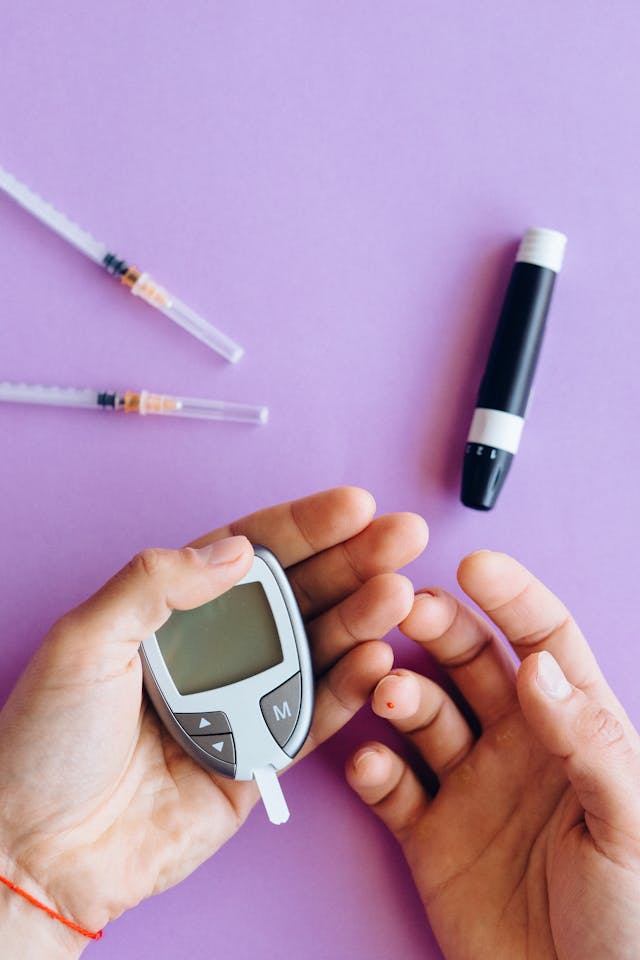
Is Insulin Resistance the Same as Diabetes?
Many people confuse diabetes with insulin resistance. In reality, insulin resistance can be considered a prediabetes stage of diabetes
At this stage, the levels of blood sugar remain normal, but the body needs to increase the production of insulin to maintain this balance.
If this continues without treatment or changes in lifestyle, the pancreas may become overworked over time, and this can lead to type 2 diabetes.
Some genetic conditions cause insulin resistance
Myotonic dystrophy
Inherited multisystem condition that causes progressive muscle loss, weakness, and myotonia. It can affect the heart, lungs, and eyes
There are two types of myotonic dystrophy (DM):
Myotonic dystrophy type 1 (DM1)
- Classic : begin 20s ,30s, 40s
- Mild: happens from 20 to 70 years old
- Congenital: effect on infants
- Childhood: begins around the age of 10 years old
Myotonic dystrophy type 2(DM2)
It is known as proximal myotonic, and the age of onset is 48 years old.
Werner syndrome
A genetic disease that causes premature aging. Usually, the first symptoms of this condition occur around the age of 13, the age when people stop growing.
- Symptoms:
Hair loss, early graying, loss of bone density, and muscle wasting
And when this disease progresses, the symptoms can include problems with vision, skin conditions, diabetes, or heart disease
- Causes:
A genetic disorder occurs when changes in certain genes happen, and this causes the gene not to work properly
Summary
Insulin resistance in women can affect any woman, but lifestyle plays an essential role in it
For example, the food you eat if you eat sugar, starch, and fats and don't eat healthy food like vegetables, fruits, and grains, you make yourself more susceptible to this disease
Also, women who play sports and walk every day for 30 minutes are less affected by insulin resistance, and women of low weight are less affected by this disease

You must be logged in to post a comment.